

Blog
From data to impact: Munira and Tobi’s internship experience
07 Sep 2026
News and Insights
May 8, 2025
In North Central London, we are trying to improve how we meet the needs of people with multiple long-term conditions.
It has been clear for decades that a referral based, reactive system has limitations. Many are seen across different hospitals and specialities; particularly where mental and physical health intersect. People engaged in their care or caring for others, say that navigation is a full-time business. Many are not engaged at all and are consistently under the radar.
We want to challenge the status quo and try to test and learn some new approaches with our complex long term condition service.
We are exploring whether hospital-based Consultants could be linked with primary care, drawing together clinical opinion from their colleagues ‘behind the scenes’ rather than relying on numerous referrals. We are looking at using and sharing patient information in a new way to identify people early.
Clinicians had ideas. But we wanted to know if these were in line with people’s actual priorities. This is where our complex long-term conditions lived experience group came in: a wonderful group of individuals dealing with the day-to-day challenges of living with, or caring for, someone with multiple long-term health conditions.
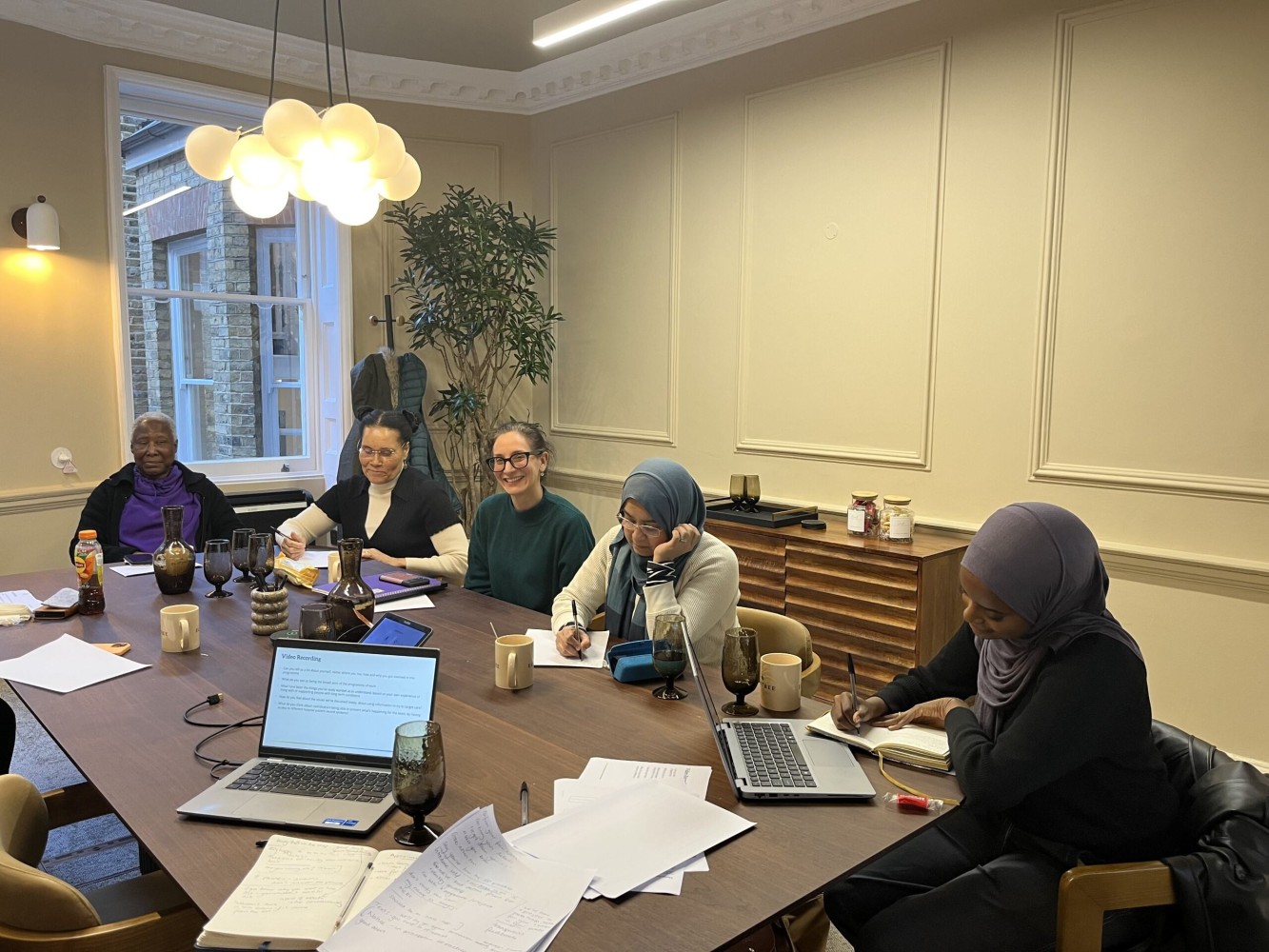
They offer insights into the frustrations and challenges of a complex system, including managing multiple appointments and understanding the services available. And yet they are ever hopeful that things can improve.
We heard about their experiences and talked through three questions with them:
It was striking and truly compelling. Their experiences aligned with other findings yet were incredibly poignant when echoed around the group.
Everyone faced unique challenges, but the key themes were clear: the importance of care based on the needs of the individual with greater continuity and improved communication. They hoped for changes where better coordinated and tailored support could make a significant impact.
View more feedback from the lived experience group.
Listening to the group highlighted the scale of the challenge.
Our approach with the programme has been to employ a small team of coordinators and consultants, managing the most complex patients from a range of Primary Care Networks. In future this could be done on a neighbourhood footprint.
Already, early indications show that around 65% of people whose care is being reviewed need fewer acute appointments. The team is identifying people with significant health needs known only to mental health services despite very serious other conditions. Many would benefit from preventative care, but not generic prevention – it needs to be tailored, person-specific and culturally appropriate.
Localising care into neighbourhoods does not in itself solve the barriers to coordination. Shared digital records will help significantly. However, coordination only works if the team can track conversations and actions in a secure way – something that our digital systems can’t currently allow. Our patient group supported information being shared in new ways between teams. But information governance still works on an organisation-specific basis so coordinators, who need access across systems and teams, need numerous contracts.
Patients also report that the preventative and educational offers are often too generic, and difficult to attend and to integrate into their lives. Neighbourhoods will not solve these issues alone. But these are the knotty issues we need to tackle if people’s experiences are to improve in meaningful ways.
We know it is complex, but we can find a solution and through working closely with patients are carers, that solution will stand the test of time, improving lives for years to come.
Find out more about our complex long term condition service.